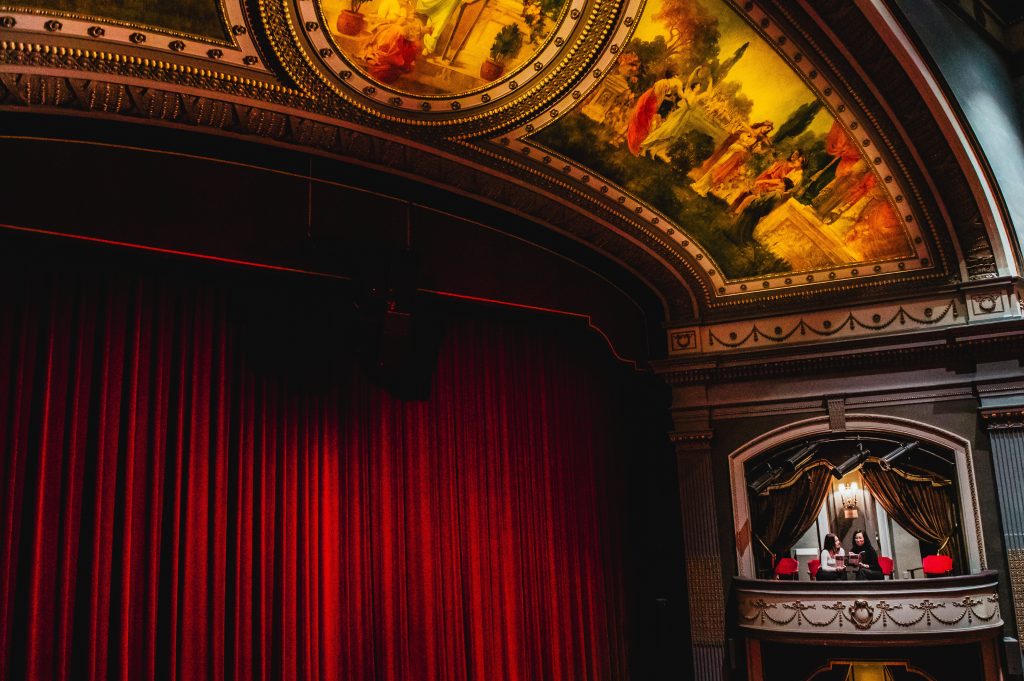
London, Ontario has had a history of performance halls and theatre productions extending to some of the earliest days as a town. The Grand Theatre owes a lot to its precursor location, the Grand Opera House which was located in the Masonic Temple in 1881. The desire for a larger and more advanced theatre prompted the building of a modern structure on Richmond St.
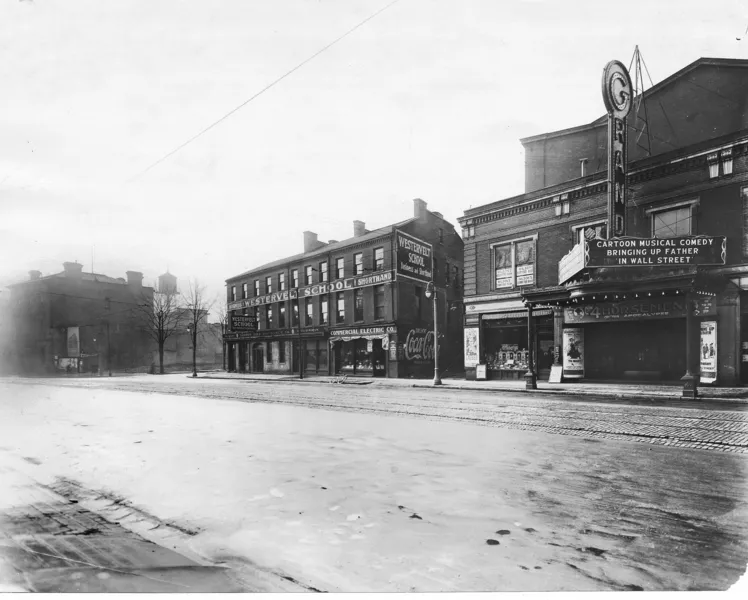
The Grand Opera House officially opened at its current location on September 9, 1901. It was built by Colonel Clark James Whitney of Detroit and was meant to host over 1,800 viewers with state-of-the-art equipment. The Theatre was owned by entertainment magnate Ambrose Small from 1901-1919. Small owned several theatres in southwestern Ontario including Toronto. The new Theatre was a huge success, fitted with technology for the first moving picture in 1907. Subsequent early films like The Kid, starring Charlie Chaplin and All Quiet on the Western Front would be featured here in the 1920s and 30s as the theatre was owned by Famous Players, a subsidiary of modern Cineplex.
Film features were interspersed with stage productions that featured big names in the acting world, including Margaret Rutherford, Michael Redgrave, Flora Robson, Jessica Tandy, and London’s own Hume Cronyn. In 1945, the theatre was purchased by the London Little Theatre Company, who began transitioning the theatre to more stage work, and it became a professional regional theatre in 1972. In 1977 the Grand Opera House went under a massive renovation lasting until 1978. The renovation cost $5.5 million and included adding the McManus Studio. In 1983, Theatre London took over the building and changed the name to the Grand Theatre.
Grand Theatre ca. 1910.
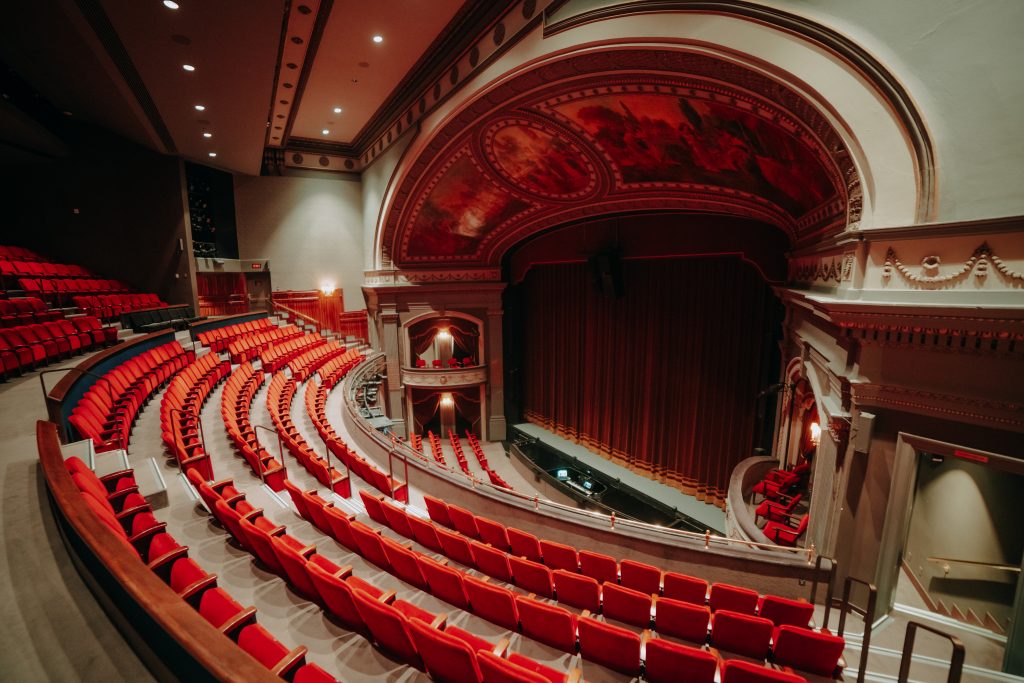
Interior of the Grand Theatre main stage. Courtesy of Grand Theatre.
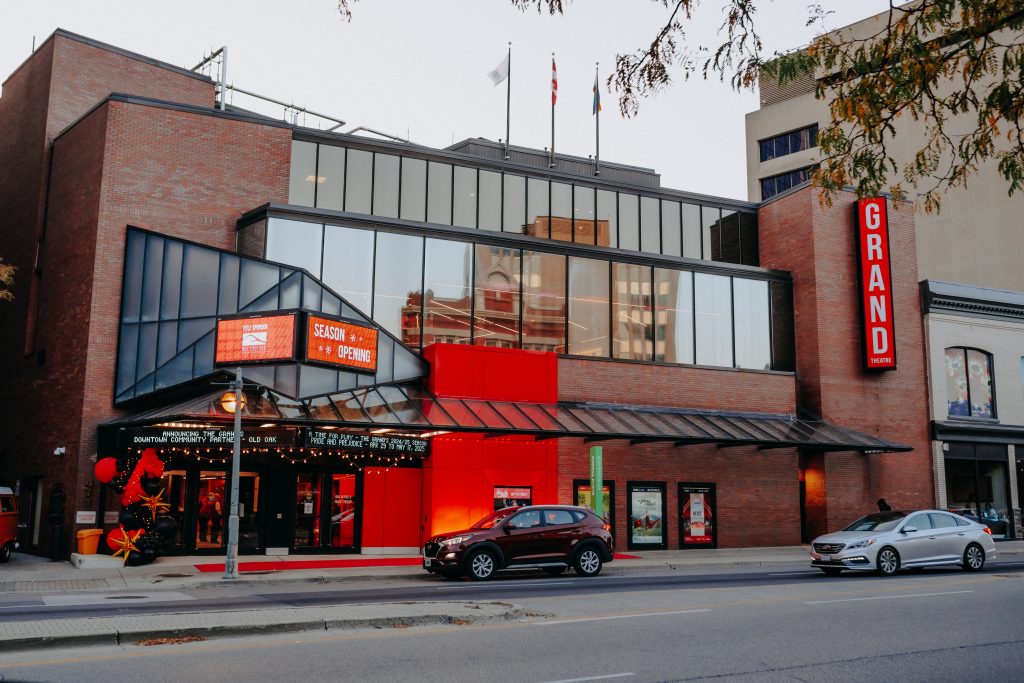
Since the 1980s, the Grand Theatre has continued to host a variety of plays, musicals, and performances from local and international companies. One of the most popular programs hosted by the Grand Theatre is the High School Production which has been running since 1998. This program provides high school students the opportunity to work with theatre professionals and gain experience in the arts. The Grand Theatre has also been working on interpreting its own history, with events focusing on the historical importance of the building.
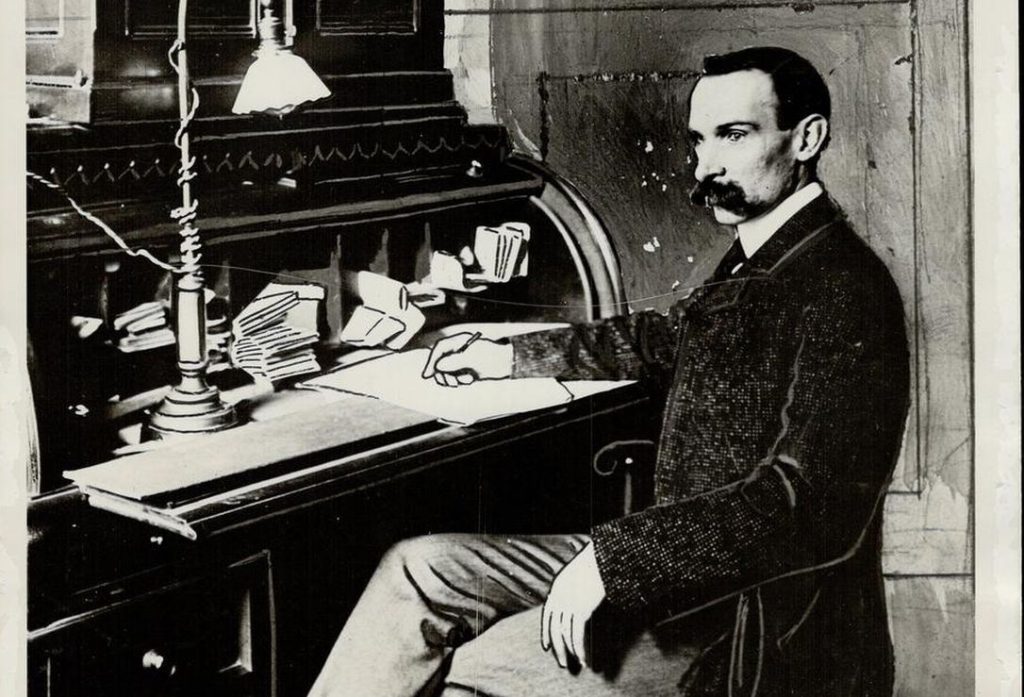
One of the most famous anecdotes about the Grand Theatre involves the disappearance of its first owner Ambrose Small. On December 1, 1919, Ambrose Small had sold his shares of all seven Ontario theatres including the Grand Opera House in London for a total $1.7 million. The next day, he met with his lawyer at the Toronto branch of the Grand Opera House, and his lawyer was the last person to see him. Small went missing, though his disappearance was not reported for several weeks. Ambrose Small had been known to take spontaneous trips with various girlfriends, but his wife and lawyer became worried after not hearing from him. A report was filed in January 1920, and his wife offered a reward if found alive ($50,000) or dead ($15,000). Despite the high rewards, no one came forward with confirmed information. During this time there were some reports that Ambrose Small was seen at the Grand Opera House in London in the weeks following his disappearance. Over the course of the investigation, several people were investigated, including his assistant John Doughty who had stolen Small’s Victory Bonds and fled to the United States around the time of his disappearance. His wife Theresa was also a suspect due to their marital strife and Small’s constant infidelity.
Ambrose Small, ca. 1900.
Some interesting people came forward, including a man in Des Moines, Iowa who claimed at one point to have been both Small and his assistant. He was discredited immediately. In 1935, after his wife Theresa Small’s death, a letter from someone named Reuter arrived for Small’s sisters which confessed to his killing. This was never confirmed. In 1936 the Ontario Police attempted to re-investigate, but after no leads, the file was closed as a cold case in 1960. The disappearance of Ambrose Small has become a legendary Canadian cold case and has led to rumours of hauntings in London. Due to the sightings of Small in the weeks following his death, there have been stories that Ambrose Small was murdered in London, and some people claim to see his ghost haunting the upper box. Because of the superstition surrounding Small, some actors and stagehands avoid saying his name in the Theatre! Seances and artistic productions about Ambrose Small have been held at London’s Grand Theatre, and the story continues to entertain and remains one of London’s most interesting potential ghost stories.
Grand Theatre Stage, image courtesy of Damian Dudek.
To learn more about the history of the Theatre, or to see their upcoming performances, visit https://www.grandtheatre.com/