For many Canadian cities, there is nothing more iconic than a pioneer village, and London is no exception. Fanshawe Pioneer Village is one of London’s largest and most famous museums, with 46 acres and 33 historical and replica buildings to explore.
First conceived in 1955 as a way for the Upper Thames Conservation Authority to conserve buildings, this project quickly expanded with the help of Dr. Wilfrid Jury (1890-1981), a local archaeologist and expert in Indigenous and pioneer life. Dr. Jury assisted the Conservation Authority in acquiring collections pieces to display and would later donate a large portion of artifacts in 1978. The Village officially opened on June 26, 1959, and by 1961 was an area of about 2.2 acres. By 1963, popularity had grown and the Conservation Authority allocated an additional 22 acres for the museum. As the museum continued to acquire buildings and artifacts, it became a popular tourist destination for people from London and the surrounding communities. Many of the buildings donated to the Village come from the former townships of Westminster, London, North Dorchester, Delaware, West Nissouri and Lobo, representing the early history of the area and the changes in London’s boundaries.
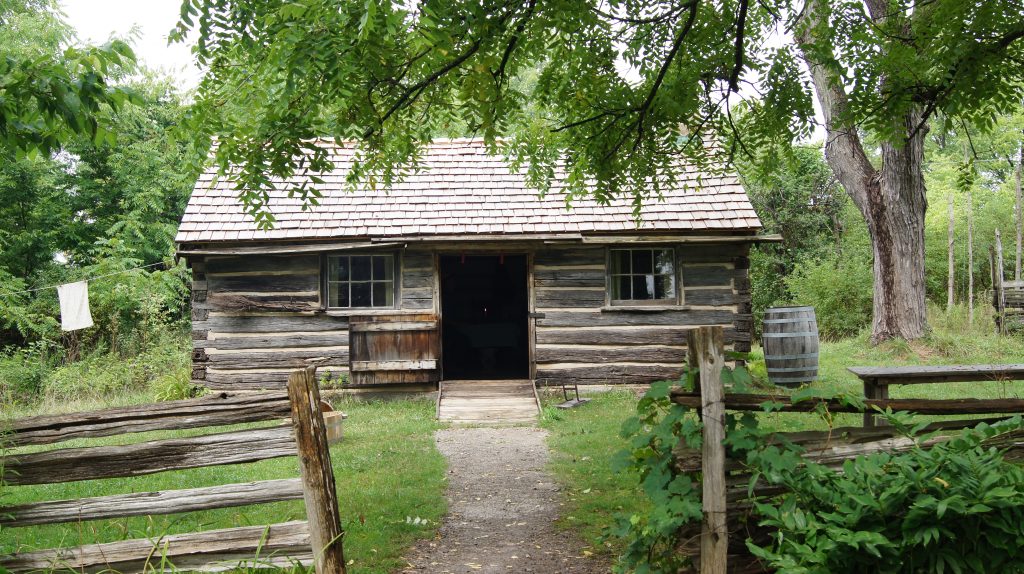
Elgin Log Cabin. Courtesy of London & Middlesex Heritage Museum
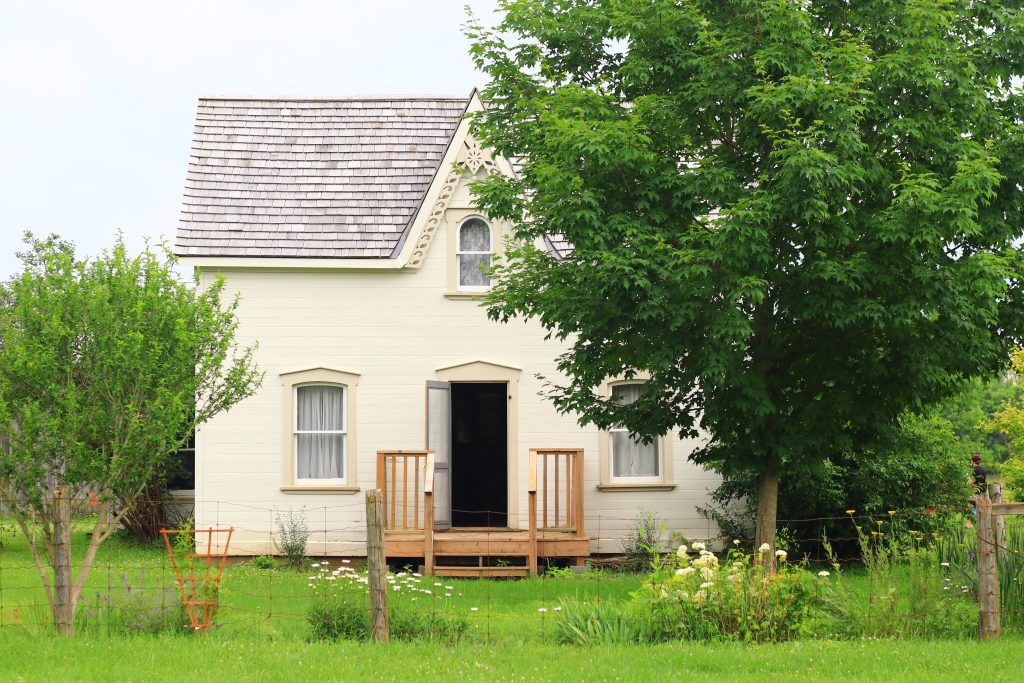
Fanshawe Pioneer Village interprets the history of settlement not only with their buildings, but also with their location in the Village, building a chronological timeline in the progression of a town. The “four clusters” set up begins with early settlement (1820-1850), Fanshawe Corners (1850-1880), Fanshawe Township (1880-1910), and finally the Town of Fanshawe (1910-1920). Some of the most notable buildings on the property include Elgie Log Cabin, which represents the life of London’s early settler community, the Jury Farmstead, which is the childhood home of Dr. Wilfrid Jury, and Peel House, the former childhood home of London artist Paul Peel.
Jury House. Courtesy of London & Middlesex Heritage Museum
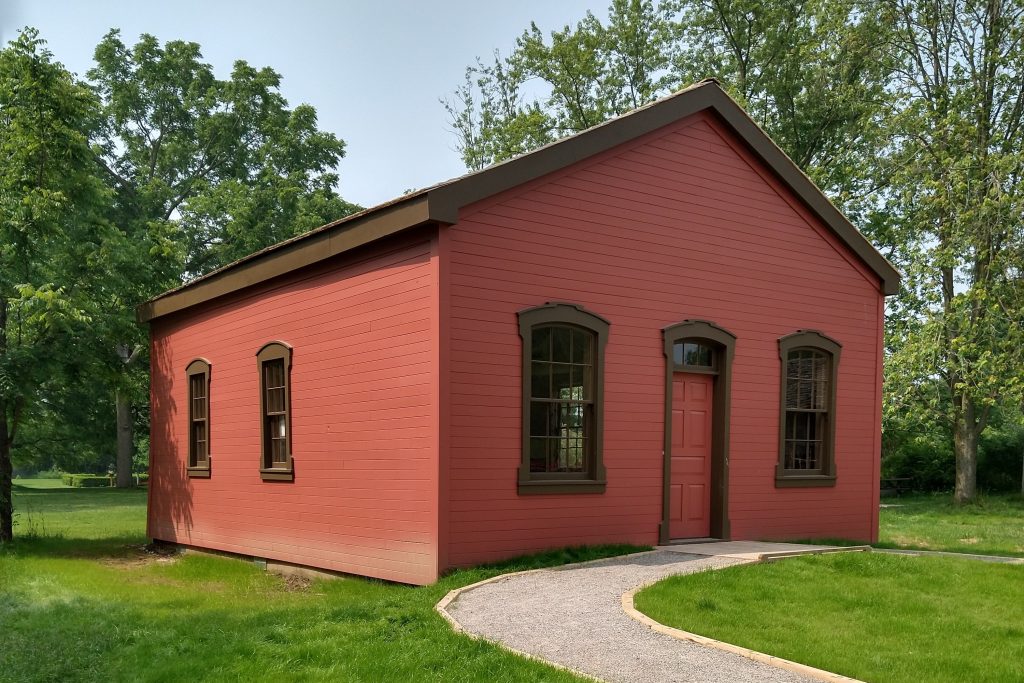
African Methodist Episcopal Church. Image Courtesy of London & Middlesex Heritage Museum
In 2022 Fanshawe Pioneer Village preserved an important piece of local history by moving the African Methodist Episcopal Church to the Village. The Church, named the African Methodist Episcopal, was built in 1848 as the first Black church in the London settlement. It served as a meeting space and place of worship for members of the black community, as well as those fleeing enslavement from the United States. It was renamed the British Methodist Episcopal in 1856, but by 1869 was turned into a private residence when a larger church was built. The structure continued to stand, and it became known by Londoners as the Fugitive Slave Chapel. In 2014 the building was relocated to the Beth Emanuel Church property, however, the cost of restoration was impossible for the church, and Fanshawe Pioneer Village was able to work with the church to have the building transferred to the Village in 2022. It was restored and opened to the public on July 20, 2023.
Fanshawe Pioneer Village is a staple in the London community, interpreting early settler life and our progression to a town. The museum continues to host a plethora of community events including a popular Dominion Day celebration and innovative children’s programming. To learn more, please visit their website: https://www.fanshawepioneervillage.ca/