The Museum of Ontario Archaeology is responsible for the interpretation of over 11,000 years of human history. It is a place for education on the archaeological process and Indigenous life in Ontario.
Image courtesy of the Museum of Ontario Archaeology (London, Ontario).
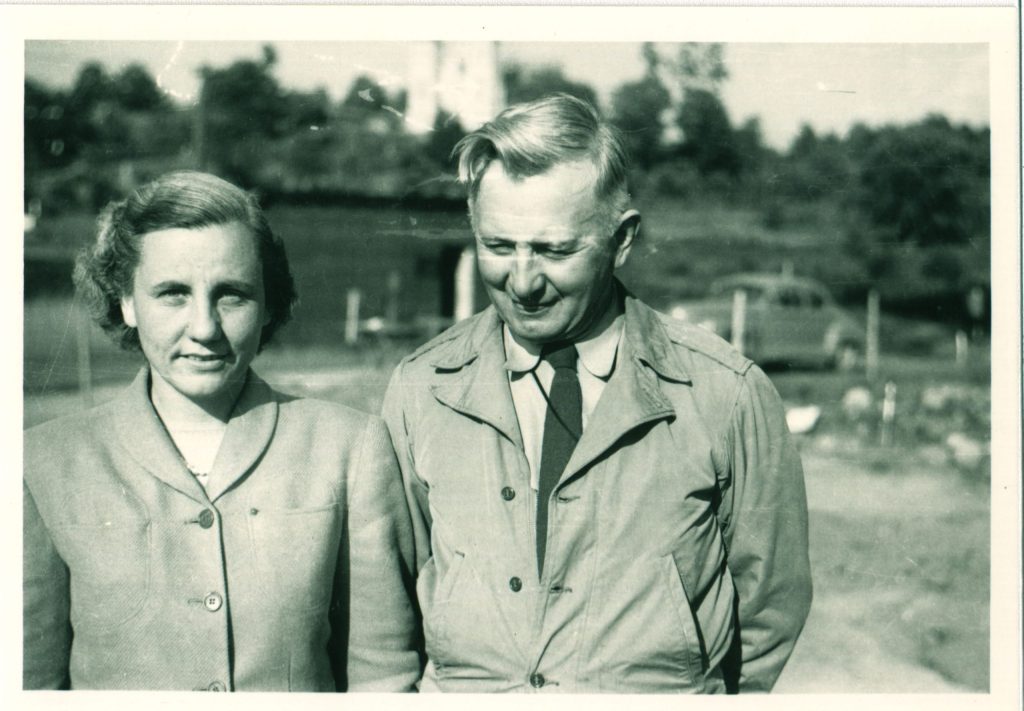
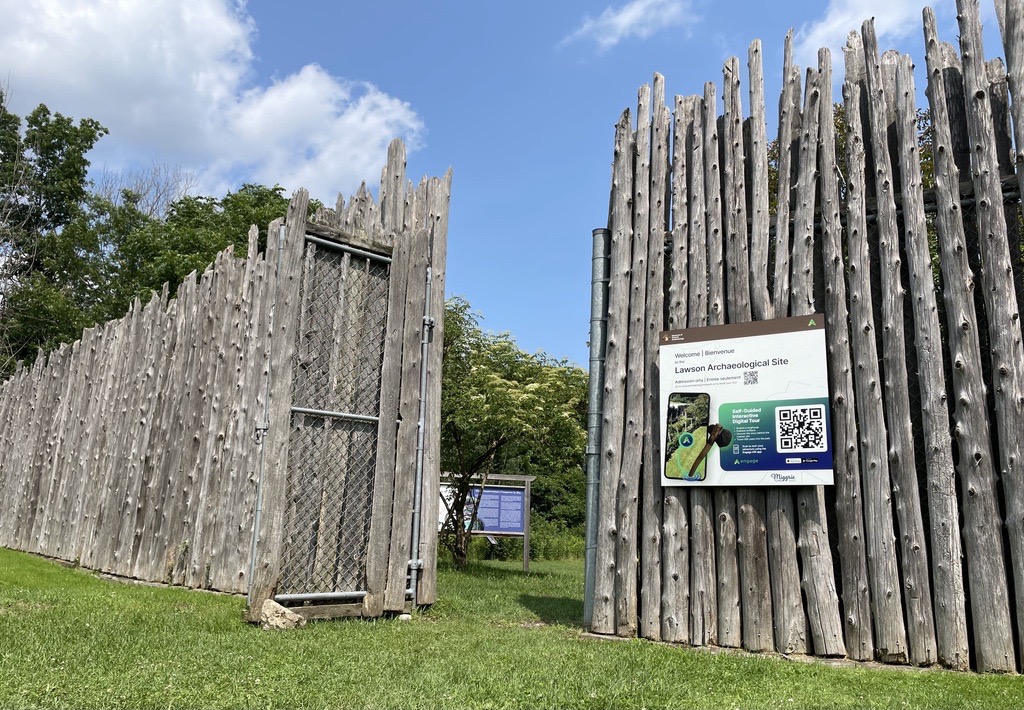
The origins of the museum come from Amos Jury (1861-1964) and his son Wilfrid (1890-1981). The pair were interested in Indigenous and pioneer artifacts and conducted amateur archaeological digs around their home in Lobo Township. In 1933, Western University started to house the Jury collection at the Lawson Memorial Library making it a public museum. During the 1920s and 30s, Wilfrid Jury received formal archaeological training and continued his work with the help of his wife Elsie. The Lawson family continued to be heavily involved in the preservation of the Jury Collection, and in 1969 Col. Tom Lawson donated his family’s farm and known Indigenous site to Western University for the purpose of becoming a museum for the Jury’s collection. The Lawson Site was a known Indigenous settlement and has been dated to a 16th century pre-colonial Attawandaron village. On this land, the remains of over 35 longhouses have been found and over half a million artifacts. The site was recognized as a Canadian Heritage Site in 1979.
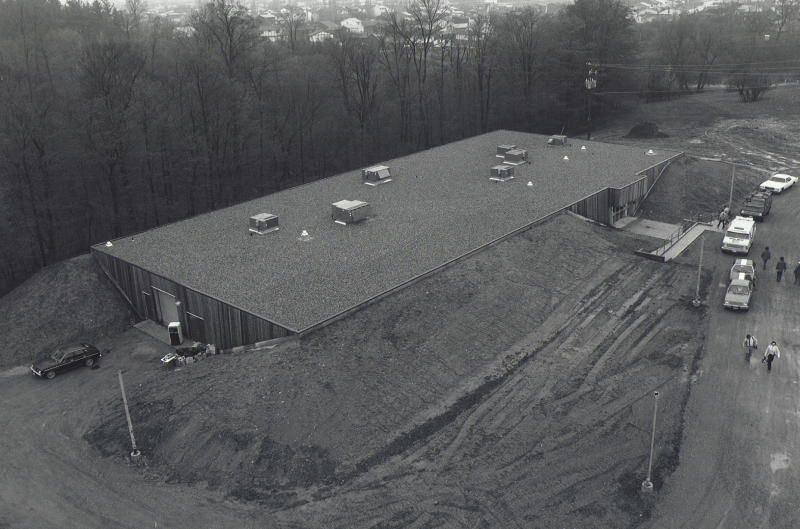
Western University appointed William Finlayson as Executive Director to the museum in 1976 when it was still operating at the campus. The Jurys also assisted in the establishment of Fanshawe Pioneer Village two years later, working with the Upper Thames Conservation Authority to preserve buildings that were relevant to early settler history. At the time, exhibits from the university were moved to Fanshawe Pioneer Village. The physical museum building began with a sod turning ceremony in 1980, opening to the public in 1981as the Museum of Indian Archaeology. Many Indigenous artifacts held at Fanshawe Pioneer Village were moved to this new location.
The museum went through several name changes over the next couple decades, becoming the London Museum of Archaeology in 1991and the Museum of Ontario Archaeology in 2005. The name changed to the Museum of Ontario Archaeology marked a shift to interpreting both the process of archaeology and Indigenous history. In 2009, Sustainable Archaeology was founded as a joint project between Western University and McMaster University researchers as a partial solution to the “collections crisis” where bulk accumulation had occurred. The building was expanded with help from the Canadian Foundation for Innovation in 2011, and the museum assumed responsibility for the Sustainable Collection in 2018.
The Museum under construction. Image courtesy of the Museum of Ontario Archaeology (London, Ontario).
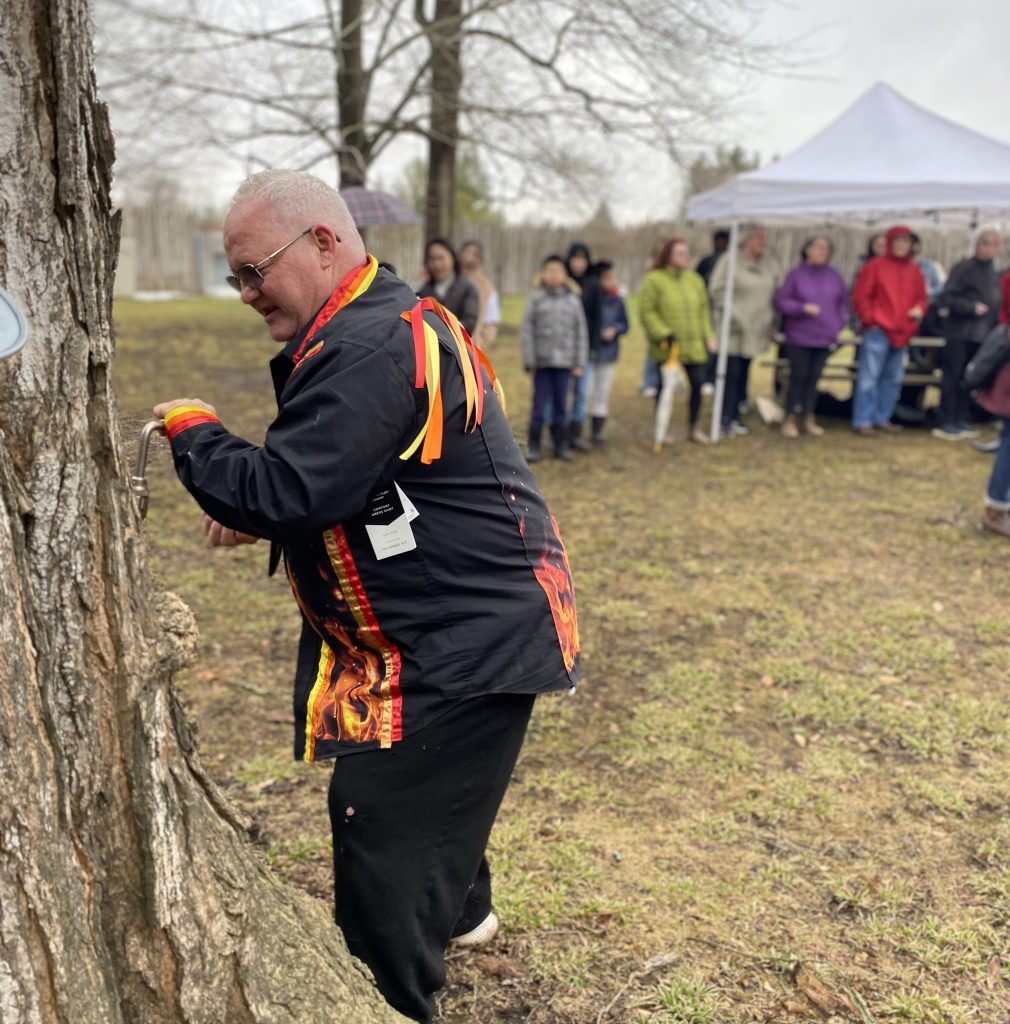
Today, the museum continues to work with archaeologists, researchers, Indigenous communities, and members of the public to preserve and interpret the history of Ontario archaeology and Indigenous material culture. The museum hosts many popular programs and events including day camps, lectures, Maple Heritage Festival, and Medway Heritage Festival. To learn more about the history of the museum and its events, visit: https://archaeologymuseum.ca/
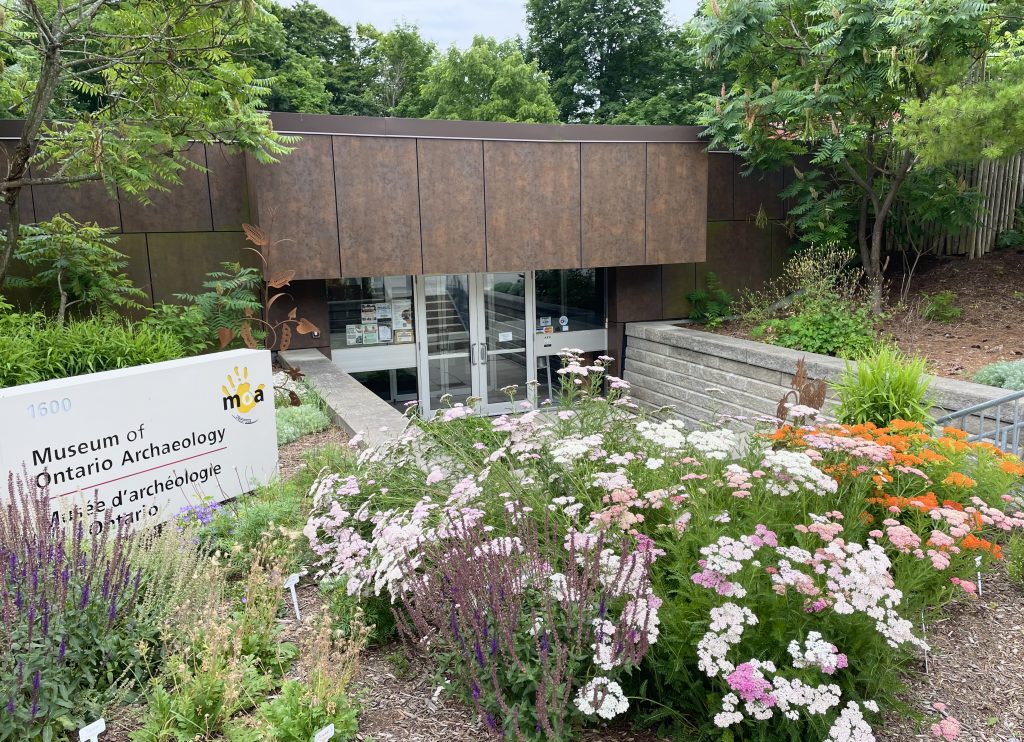
Museum Entrance, 2024. Image courtesy of the Museum of Ontario Archaeology (London, Ontario).
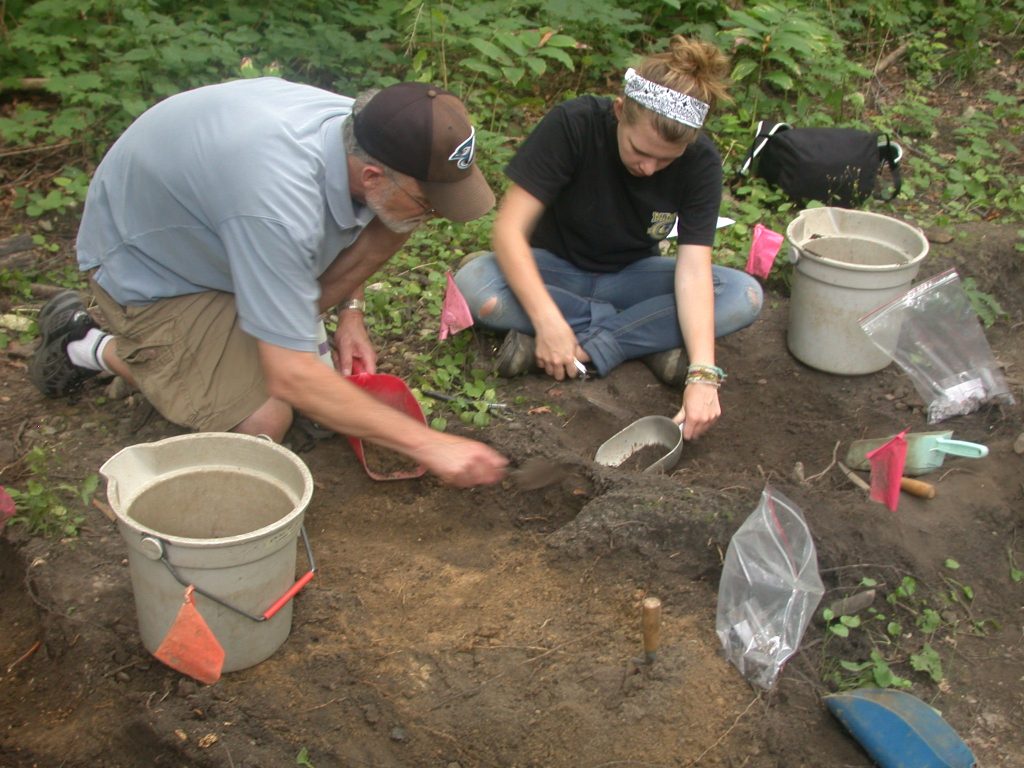
Wilfrid Jury Day, 2011. Image courtesy of the Museum of Ontario Archaeology (London, Ontario).
Maple Heritage Festival, 2025. Image courtesy of the Museum of Ontario Archaeology (London, Ontario).
Lawson Site Entrance. Image courtesy of the Museum of Ontario Archaeology (London, Ontario).